Exploring the Latest Trends in Sustainable Packaging
As the world increasingly prioritizes environmental responsibility, sustainable packaging has emerged as a crucial focus for businesses across various industries. Here are some of the latest trends shaping the future of sustainable packaging:
1. Biodegradable and Composable Materials
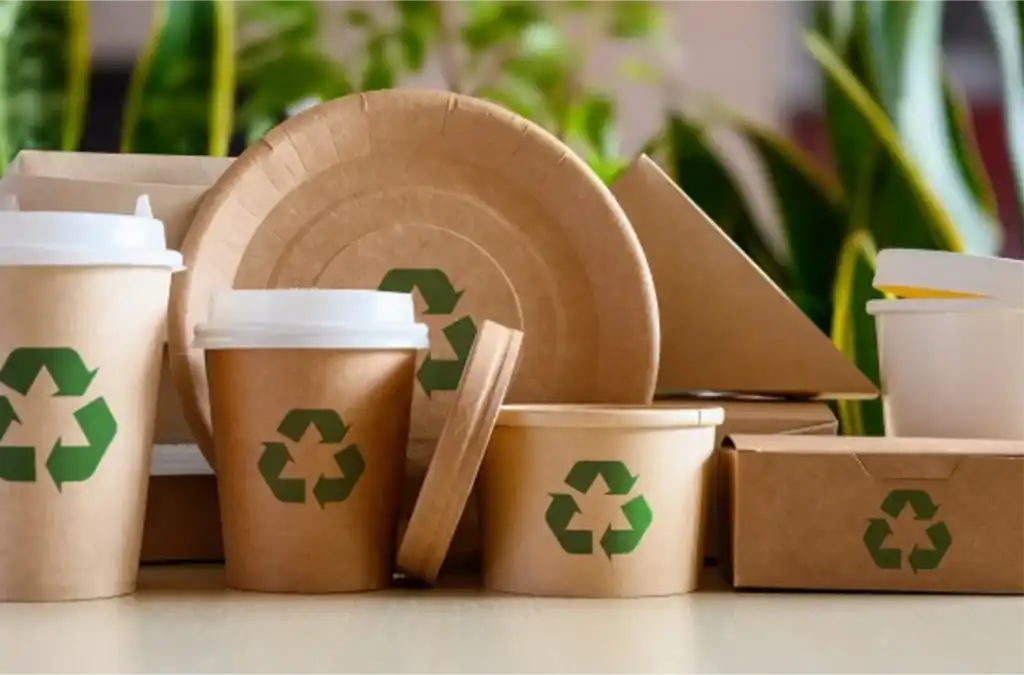
Innovations in packaging materials are leading to the rise of plant-based plastics made from renewable resources like corn and sugarcane. These materials are designed to break down naturally, offering a more eco-friendly alternative. Additionally, compostable packaging is gaining traction, allowing consumers to dispose of their packaging responsibly in composting facilities.
2. Minimalist Packaging
Simplicity is key in today’s packaging design. Brands are embracing minimalist packaging, reducing material use while ensuring product protection. The focus is shifting towards functionality, with designs that serve multiple purposes, such as reusable containers.
3. Recyclable and Reusable Packaging
The demand for recyclable packaging is on the rise, with brands prioritizing designs that are easy to recycle. Clear labeling and single-material structures help consumers make informed disposal choices. In addition, reusable solutions are becoming popular, encouraging customers to return packaging for reuse or offering incentives for sustainable practices.
4. Innovative Materials
Sustainability is driving the exploration of innovative materials. For example, mushroom packaging made from agricultural waste and mycelium provides a biodegradable alternative. Seaweed-based packaging is also emerging, offering minimal environmental impact while being biodegradable.
5. Smart Packaging
The integration of technology into packaging is leading to the rise of smart packaging. QR codes and NFC tags help consumers learn about the sustainability of the packaging and proper disposal methods. Additionally, packaging with temperature and freshness indicators can help reduce food waste.
6. Circular Economy Initiatives
Brands are embracing closed-loop systems, where packaging can be returned, cleaned, and reused, minimizing waste. Collaborations between companies and NGOs are becoming common, enhancing sustainability efforts and promoting responsible practices.
7. Transparency and Eco-Labeling
Consumers are increasingly seeking transparency regarding the sourcing and manufacturing processes of packaging. Eco-labels that indicate sustainability practices are influencing purchasing decisions, empowering consumers to make informed choices.
8. Consumer Education
Educating consumers about sustainable choices is vital. Brands are focusing on promoting the benefits of sustainable packaging and guiding consumers on proper disposal methods, fostering a culture of responsibility.
The trends in sustainable packaging reflect a growing commitment to environmental health and responsibility. By embracing these innovations, businesses not only enhance their brand reputation but also contribute positively to the planet. As consumers become more aware of their choices, sustainable packaging will continue to play a pivotal role in shaping the future of product delivery.